
Rat and Mouse Species Common in Granite Bay Homes
Rat and mouse species in Granite Bay create different problems for local homes. Scratching in the attic, chewed wiring, and droppings signal an active infestation. Identifying the exact rat and mouse species in Granite Bay helps you stop it fast.
Quick Answer: Granite Bay homes deal with four rodent species: roof rats, Norway rats, house mice, and deer mice. Each one enters through different gaps and causes different damage. Oakline Rodent Solutions inspects attics, garages, and yards across Granite Bay to confirm the exact species before treatment begins. Schedule an inspection to find out what’s really in your home.
Call Now For Same Day Inspection
At a Glance
|
Detail |
Summary |
|---|---|
|
Species found locally |
Roof rat, Norway rat, house mouse, deer mouse |
|
Common size |
2–10 inches body length, depending on species |
|
Typical habitat |
Attics, garages, wood piles, foundations, oak-shaded yards |
|
Main risks |
Wiring damage, insulation loss, structural repairs |
|
Health concerns |
Hantavirus, salmonella, leptospirosis |
|
Common entry points |
Roofline gaps, vents, garage doors, foundation cracks |
|
Activity period |
Year-round, with fall entry surges as nights cool |
What Rodent Species Live in Granite Bay?
Granite Bay homeowners commonly deal with four rodent species: roof rats, Norway rats, house mice, and deer mice. Each species behaves differently, so correct identification changes how you treat the problem.
Granite Bay’s mix of mature oak trees, greenbelts near Miners Ravine, and homes bordering open space gives rodents easy cover close to structures. Warm, dry summers push rodents to seek water near homes, while cooler winter nights send them looking for shelter indoors.
Guessing the species often leads to the wrong fix. A trap that works on a house mouse rarely stops a Norway rat, and missing a deer mouse problem raises health risks that mice and rats don’t share equally.
How Can You Identify Each Species?
Roof rats have slim bodies, pointed noses, and tails longer than their head and body combined. They climb well and often enter through rooflines and overhanging branches.Roof Rat in Granite Bay
Norway rats are larger and heavier, with blunt noses and tails shorter than their bodies. They stay near the ground and burrow along foundations, sheds, and woodpiles.
House mice are small and gray-brown, with a tail that stays one uniform color. They nest close to food, often inside kitchens, pantries, and garages.
Deer mice look similar to house mice but have a sharply two-toned tail — dark on top, white underneath — along with white feet and a white belly. This species matters most for health reasons, covered below.

|
Feature |
Roof Rat |
Norway Rat |
House Mouse |
Deer Mouse |
|---|---|---|---|---|
|
Body length |
6–8 inches |
7–10 inches |
2.5–3.5 inches |
3–4 inches |
|
Tail |
Longer than body |
Shorter than body |
Uniform gray |
Two-toned, white underside |
|
Preferred level |
Attics, rooflines |
Ground, burrows |
Kitchens, ground level |
Attics, sheds, garages |
|
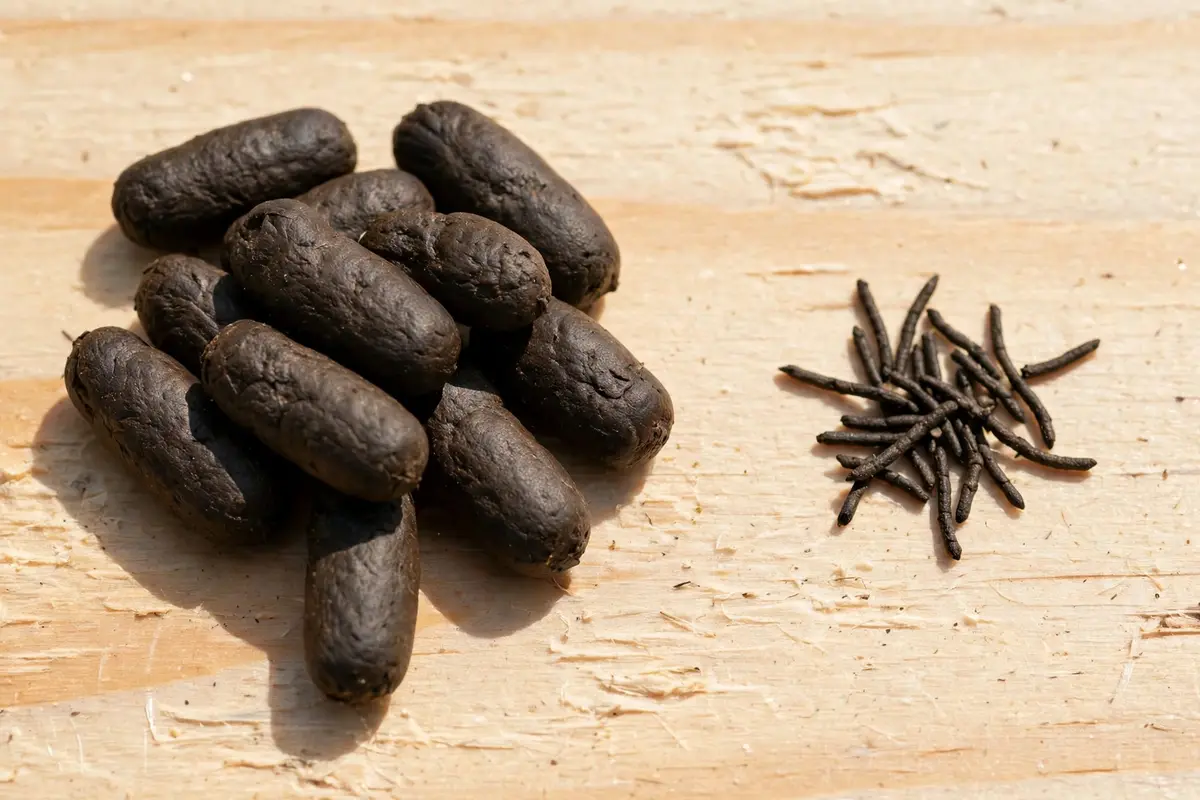
Droppings |
Spindle-shaped, pointed |
Blunt, capsule-shaped |
Small, rod-shaped |
Small, rod-shaped |
Where Do These Rodents Live and Nest?
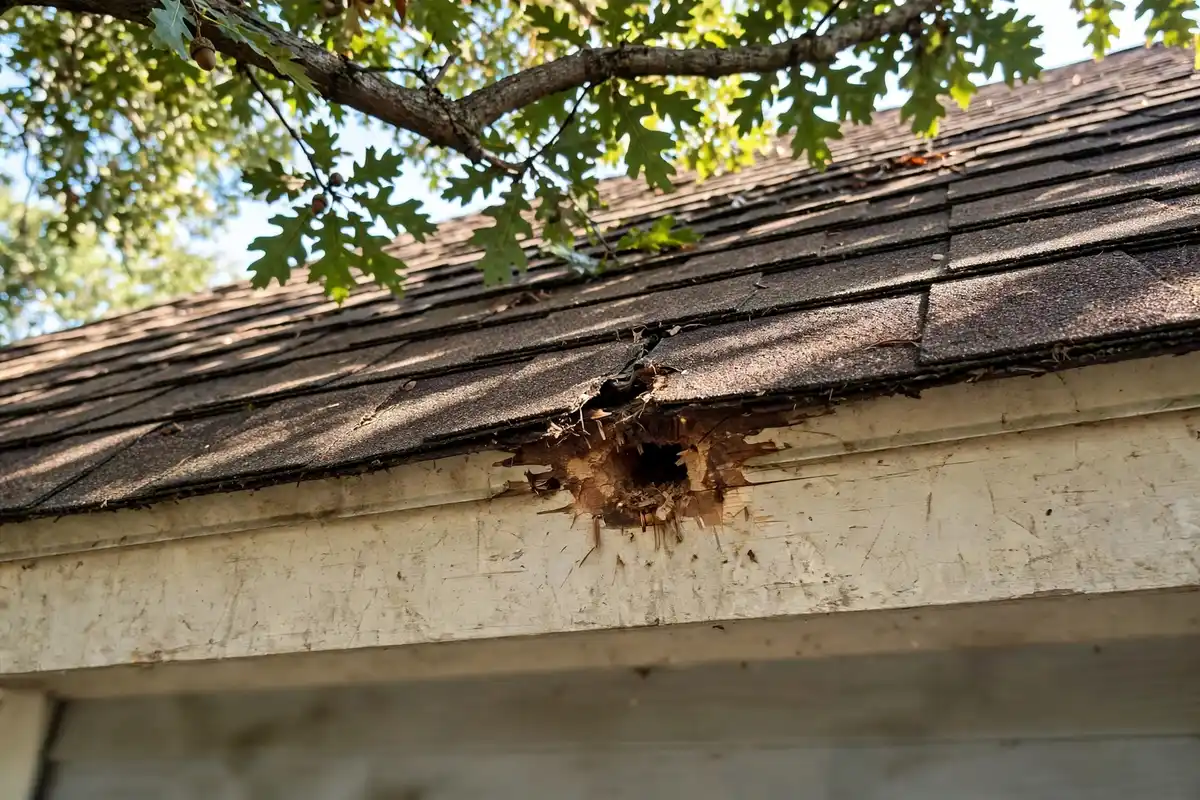
Roof rats nest above ground. In Granite Bay, mature oak canopies and fence lines give them a direct path from the yard to the roof. Attics, eaves, and palm fronds all make convenient nesting spots.
Norway rats stay low. They burrow near foundations, retaining walls, wood piles, and dense landscaping. Yards backing onto greenbelts or seasonal creek areas see more burrow activity, since Norway rats need reliable moisture nearby.
House mice nest inside structures, usually within a few feet of a steady food source. Garages, pantries, and wall voids near kitchens are typical spots.
Deer mice prefer sheds, garages, and outdoor structures near open space. Granite Bay properties bordering undeveloped land or large lots see more deer mouse activity than homes in dense subdivisions.
How Do Rodents Behave Through the Year?
Rodent activity in Granite Bay shifts with the seasons. Spring brings more breeding and yard activity as vegetation grows in. Summer heat pushes rodents toward irrigation lines, pet bowls, and shaded structures for water.
Fall is the highest-risk season for indoor entry. As nights cool, rodents search for warmer shelter and often find it in attics and garages before winter arrives.
All four species reproduce quickly. A female mouse can produce several litters a year, and rat populations grow just as fast once they find steady food and shelter. That’s why small problems often turn into large ones within weeks.
Pro Tip: Trim tree branches back at least three feet from your roofline. Roof rats use overhanging limbs as a direct bridge into attics.
What Health Risks Do They Carry?
Rodents in Granite Bay can carry diseases that affect people and pets. Deer mice are the primary carrier of hantavirus, a serious respiratory illness spread through contact with droppings, urine, or nesting material in enclosed spaces like attics and sheds.
Norway rats can shed leptospira bacteria in their urine, which can contaminate soil and standing water. House mice and roof rats can spread salmonella through contaminated food and surfaces.
Important: Never sweep or vacuum dry rodent droppings, especially in an attic. Disturbing dried droppings can release particles into the air. Ventilate the area first and wear gloves and a respirator before cleanup.
What Damage Can They Cause?
Rodent teeth never stop growing, so gnawing is constant behavior, not an occasional habit. Electrical wiring is a frequent target, and stripped insulation on live wires creates a real fire risk in attics and walls.
Attic insulation also takes damage. Nesting activity compresses and contaminates insulation, lowering its effectiveness and raising energy bills. HVAC ducting, stored belongings, and garage wiring face similar risks once rodents settle in.
Norway rats can gnaw through PVC pipe and irrigation lines, which sometimes causes hidden leaks before anyone notices the damage.
How Can You Prevent an Infestation?
Sealing entry points stops most problems before they start. Rodents can squeeze through gaps as small as a quarter inch, so vents, roof gaps, and utility penetrations all need attention.
Removing easy food and water sources helps too. Store pet food in sealed containers, clean up fallen fruit from oak and fruit trees, and fix leaking irrigation lines.
Keep woodpiles and dense shrubs away from your foundation. This removes the cover rodents rely on to approach a home unseen. Clearing these hiding spots also makes early signs of activity easier to spot.
When Should You Call a Professional?
DIY traps and repellents sometimes work on a single mouse. They rarely solve a full infestation, since rodents that survive learn to avoid traps and bait stations quickly.
Call a professional if you hear repeated noises in the attic, find droppings in multiple rooms, or notice gnawed wiring. These signs usually mean an established colony, not a single stray rodent.
Professional exclusion finds and seals every entry point, not just the obvious ones. That approach solves the root cause instead of removing rodents that new ones will soon replace.
Rodent problems rarely stay small once a species settles into your attic, garage, or yard. Oakline Rodent Solutions inspects Granite Bay properties to confirm which species you’re dealing with and build a plan that seals the actual entry points. Reach out today to schedule an inspection and get a clear answer instead of a guess.
Frequently Asked Questions
What is the most common rodent problem in Granite Bay?
Roof rats and house mice cause the most service calls in Granite Bay. Mature trees and fence lines give roof rats easy roof access, while house mice slip into garages and kitchens through small gaps. Norway rats and deer mice appear more often near greenbelts and larger lots.
How can I tell a roof rat from a Norway rat?
Check the tail length first. Roof rats have a tail longer than their body, while Norway rat tails are shorter than their body. Roof rats also climb well and nest in attics, while Norway rats stay near the ground and burrow.
Are deer mice dangerous to humans?
Deer mice can carry hantavirus, a serious illness spread through droppings and nesting material in enclosed spaces. The risk comes from breathing in contaminated dust, not from bites. Always ventilate an area and wear gloves before cleaning up suspected deer mouse activity.
Do house mice carry diseases?
Yes. House mice can spread salmonella through droppings and urine that contaminate food or surfaces. They can also trigger allergies and asthma in sensitive people through shed fur and dander over time.
Why are rodents getting into my attic?
Cooling temperatures and available roof access are the main drivers. Overhanging branches, roof vents, and gaps at the roofline give rodents a direct path indoors as they search for shelter, especially heading into fall.
Can I get rid of rodents myself?
You can reduce a small problem with traps and sealing obvious gaps. Larger infestations usually need a full inspection, since rodents keep entering through gaps homeowners often miss.
How fast do mice and rats reproduce?
Very fast. A single female mouse can produce several litters a year, and rats reproduce on a similar timeline. That’s why a small sighting can turn into a full infestation within a matter of weeks.
What attracts rodents to a Granite Bay yard?
Standing water, pet food left outside, fallen fruit, and dense landscaping all attract rodents. Woodpiles and cluttered storage areas give them cover to approach a home without being seen.
How do I know if I have rats instead of mice?
Droppings and noise level are strong clues. Rat droppings are noticeably larger than mouse droppings, and rats create heavier scratching and thumping sounds compared to the lighter movement of mice.
When is rodent activity highest in Granite Bay?
Fall brings the sharpest rise in indoor entry as temperatures drop. Spring and summer see more outdoor breeding and yard activity, especially near water sources and shaded landscaping.