
How to Identify a Roof Rat in Granite Bay Homes
A roof rat in Granite Bay can slip into your attic through the smallest gap near the roofline. Scratching overhead, chewed wires, and droppings signal trouble fast. Identifying a roof rat in Granite Bay early stops costly damage.
Quick Answer: Roof rats are slender climbers with tails longer than their bodies, and Granite Bay’s mature oak trees give them easy roof access. Oakline Rodent Solutions inspects attics, eaves, and tree lines across Granite Bay to confirm roof rat activity and locate every entry point. Schedule an inspection to stop a roof rat before it nests.
Call Now For Same Day Inspection
At a Glance
|
Detail |
Summary |
|---|---|
|
Species |
Roof rat (Rattus rattus) |
|
Common size |
6–8 inch body, 7–10 inch tail — tail longer than body |
|
Typical habitat |
Attics, eaves, tree canopies, power lines |
|
Main risks |
Wiring damage, insulation contamination, roof entry |
|
Health concerns |
Salmonella, rat-bite fever, flea-borne illness |
|
Common entry points |
Roofline gaps, vents, overhanging branches |
|
Activity period |
Year-round, most active after dark |
What Is a Roof Rat?
A roof rat is a slender, agile climbing rat that enters homes through the roofline instead of the ground. Its tail is longer than its head and body combined, which sets it apart from the bulkier Norway rat.
Granite Bay’s mature oak trees, golf course landscaping, and fence-lined yards give roof rats an easy path to rooflines. Neighborhoods with dense tree cover see more roof rat activity than open, treeless lots.
Correct identification matters because roof rats live and nest above ground. Ground traps and burrow treatments made for Norway rats rarely reach a roof rat problem, since the activity happens in attics and eaves instead.
How Can You Identify a Roof Rat?
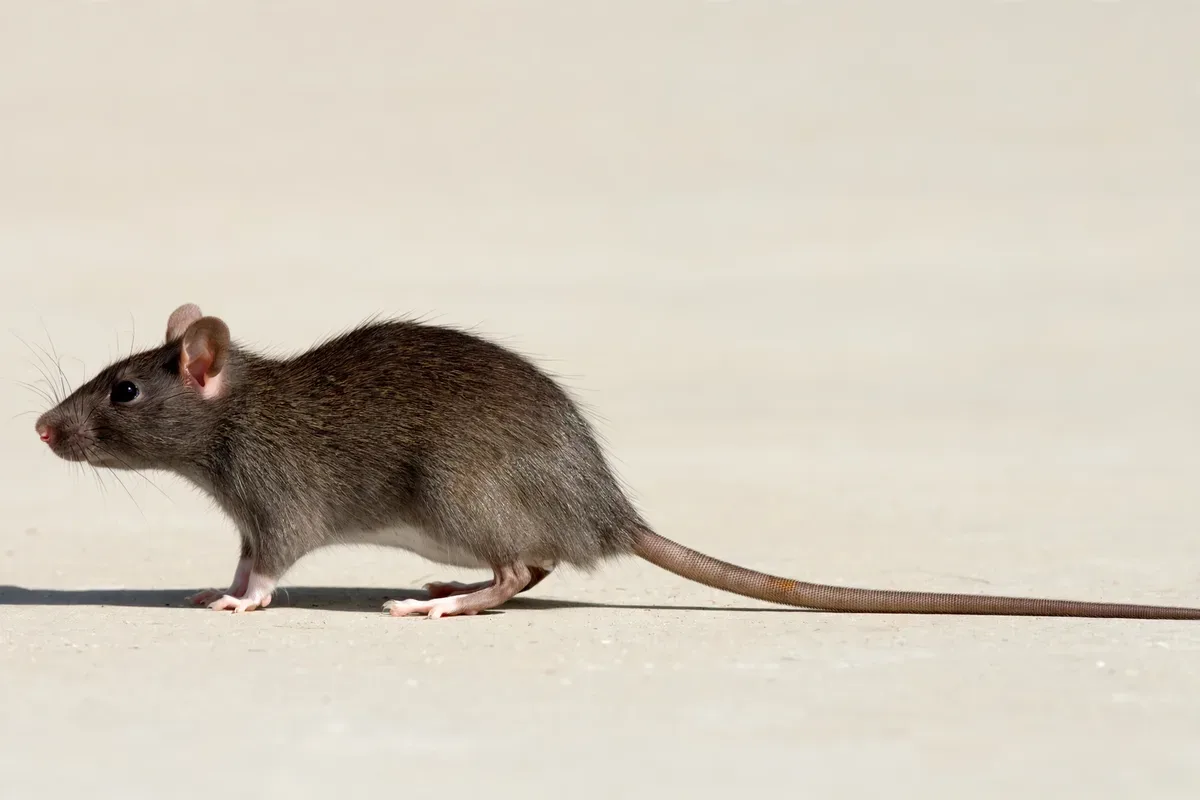
A roof rat has a pointed nose, large ears, and a tail longer than its body — the clearest way to tell it apart from a Norway rat. Its body runs 6 to 8 inches long, with fur ranging from black to dark brown-gray and a lighter gray or buff belly.
The tail test works in almost any situation. Hold the tail alongside the body. If it reaches past the nose, you’re looking at a roof rat.
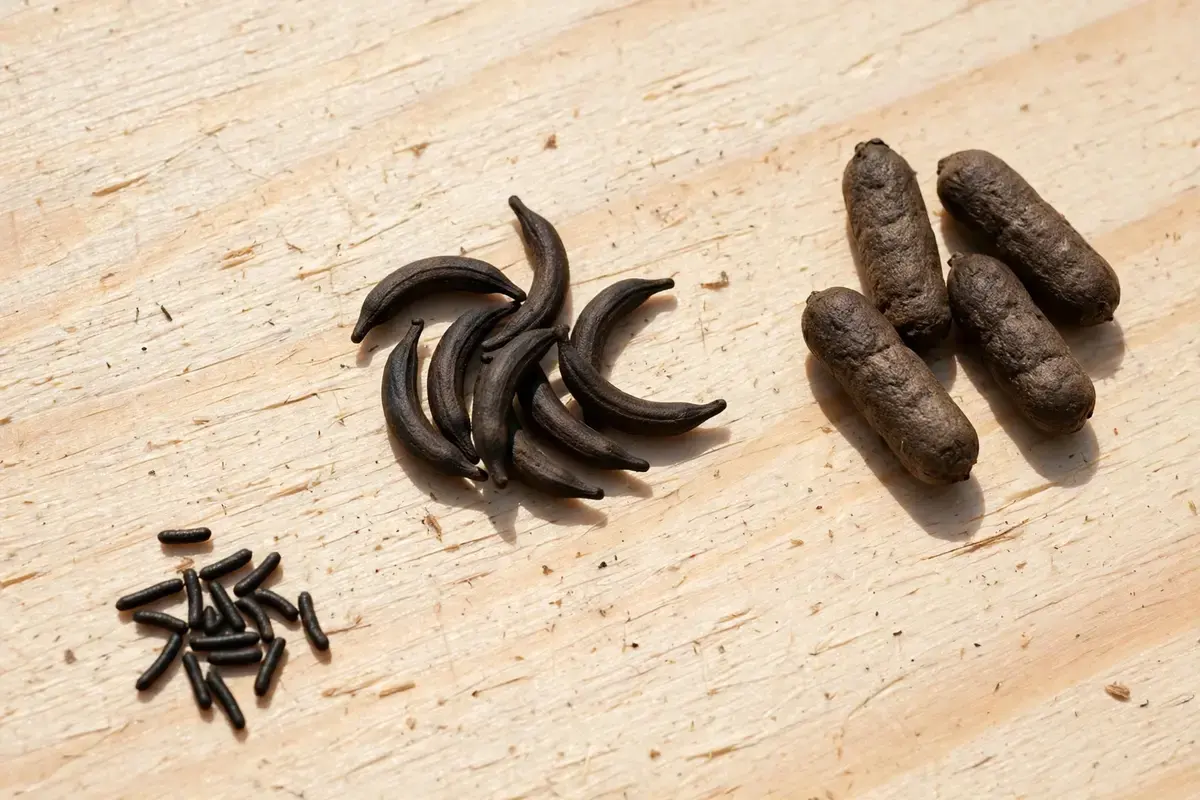
Droppings offer another clue. Roof rat droppings are about half an inch long, banana-shaped, and pointed at both ends — larger than mouse droppings but smaller than Norway rat droppings.
|
Feature |
Roof Rat |
Norway Rat |
|---|---|---|
|
Tail length |
Longer than body |
Shorter than body |
|
Body shape |
Slender, lighter |
Thick, heavier |
|
Nose |
Pointed |
Blunt |
|
Preferred level |
Attics, rooflines |
Ground, burrows |
|
Droppings |
½ inch, banana-shaped |
¾ inch, blunt ends |
|
Escape behavior |
Climbs upward |
Runs to ground cover |
Where Do Roof Rats Live in Granite Bay?
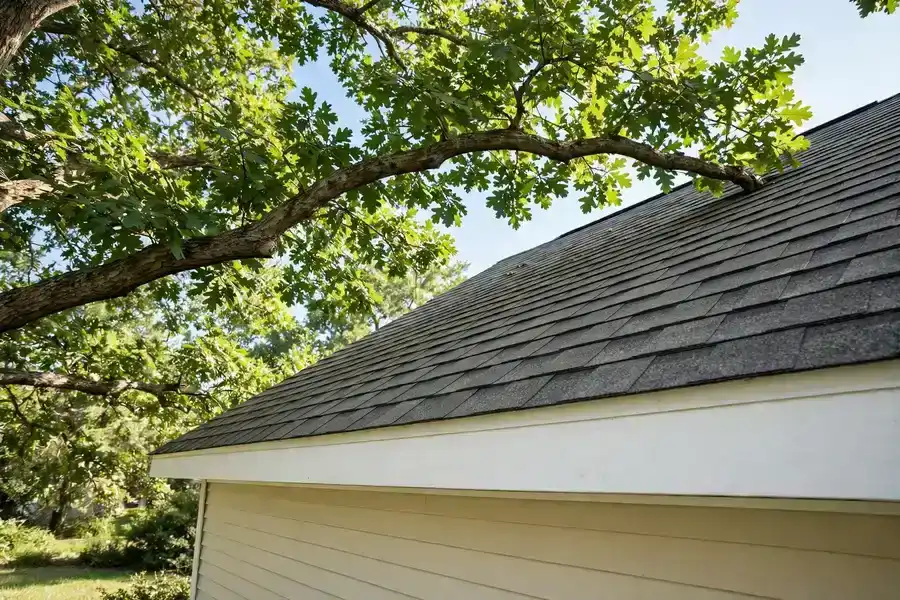
Roof rats nest above ground, close to food and cover. In Granite Bay, mature oak canopies, ornamental trees, and fence tops create a direct bridge from the yard straight to the roof.
Attics and eave spaces are the top indoor target. Once inside, roof rats build nests 8 to 12 inches wide, often mixed with leaves, twigs, and bark carried in from nearby trees.
Outdoors, dense shrubs, overgrown vines, and stacked firewood give roof rats cover close to a home’s exterior. Properties backing onto greenbelts or heavily landscaped lots tend to see more activity than homes with trimmed, open yards.
How Do Roof Rats Behave Through the Year?
Roof rats stay active year-round in Granite Bay’s mild climate, with the busiest hours after dark. Warm summer nights bring more outdoor movement along fences and branches, while cooler fall nights push roof rats toward attics for shelter.
Roof rats climb with ease and use overhead utility lines, fence tops, and tree limbs as direct highways into upper-level entry points. Any branch within three feet of a roofline gives them a ready bridge indoors.
Reproduction happens quickly. A female roof rat can produce three to five litters a year, with six to eight pups each time. That pace means a single pair can turn into a real infestation within a few months.
Pro Tip: Trim tree branches back at least three feet from your roofline and roof vents. This single step removes the most common aerial bridge roof rats use to reach an attic.
What Health Risks Do Roof Rats Carry?
Roof rats can spread salmonella through droppings and urine that contaminate food, counters, and stored items. Bites or scratches, though less common, can also carry rat-bite fever.
Fleas living on roof rats can transmit disease between rodents, pets, and people in rare cases. Droppings and nesting material in an attic also raise the risk of respiratory irritation when disturbed without protection.
Important: Never handle roof rat droppings or nests with bare hands. Wear gloves, ventilate the space first, and avoid sweeping or vacuuming dry droppings, since this can release particles into the air.
What Damage Can Roof Rats Cause?
Roof rat teeth grow continuously, so gnawing never really stops. Electrical wiring in attics is a frequent target, and exposed wire in an enclosed attic space raises the risk of an electrical fire.
Attic insulation takes damage too. Nesting activity compresses insulation and mixes it with droppings and urine, lowering its effectiveness and pushing energy bills higher.
Roof rats also chew roof sheathing, fascia boards, and vent covers to widen entry gaps. Left alone, small openings can turn into repeated access points that keep letting new rats inside.
How Can You Prevent a Roof Rat Infestation?
Sealing roofline gaps stops most roof rat problems before they start. Vents, roof-to-wall joints, and utility penetrations all need a close look, since a roof rat can squeeze through an opening about the size of a quarter.
Cutting back tree limbs, vines, and fence-line branches removes the aerial paths roof rats depend on to reach a roof. Keep at least three feet of clearance between trees and your roofline.
Store pet food indoors, clean up fallen fruit from oak and citrus trees, and keep firewood away from exterior walls. These steps remove the food and cover that keep roof rats coming back.
When Should You Call a Professional?
DIY traps sometimes catch a single roof rat, but they rarely solve a full infestation. Roof rats that survive trapping attempts often learn to avoid the same bait or trap location.
Call a professional if you hear regular movement in the attic at night, find banana-shaped droppings, or notice chewed wiring. These signs usually point to an established colony rather than a single visitor.
Professional exclusion identifies every entry point, including gaps hidden behind branches or under roof trim. That approach closes the problem at the source instead of removing rats that new ones will simply replace.
A roof rat rarely stays outside once it finds a path to your roofline. Oakline Rodent Solutions inspects Granite Bay attics, eaves, and tree lines to confirm roof rat activity and seal the exact entry points causing the problem. Reach out today to schedule an inspection before a small issue turns into a full infestation.
Frequently Asked Questions
How do I tell a roof rat from a Norway rat?
Check the tail first. A roof rat’s tail is longer than its head and body combined, while a Norway rat’s tail is shorter than its body. Roof rats are also slimmer, climb well, and nest in attics, while Norway rats stay near the ground and burrow.
Are roof rats dangerous to have in a Granite Bay home?
Roof rats can spread salmonella through droppings and urine, and their constant gnawing creates real fire and structural risks. They rarely bite unless cornered, but the property damage and contamination risk make early action worthwhile.
Why do roof rats keep coming back to my roof?
Tree branches, fence tops, and power lines near the roofline give roof rats an easy path indoors. Until those aerial routes are cut back and roofline gaps are sealed, new rats can keep using the same access points.
What does roof rat nesting material look like?
Roof rat nests are bulkier than mouse nests, usually 8 to 12 inches across, and often include leaves, twigs, and bark carried in from nearby trees. You’ll typically find them in attic corners or eave spaces.
Can I get rid of roof rats myself?
Basic sealing and trimming can reduce a small, early problem. A larger infestation usually needs a full inspection, since roof rats keep finding new gaps that are easy to miss without training.
Do roof rats cause more damage than mice?
Yes, in most cases. Roof rats are larger, chew through thicker material, and can cause more insulation and wiring damage in a shorter time than a house mouse infestation.
What attracts roof rats to a Granite Bay yard?
Mature trees, dense landscaping, fallen fruit, and stored firewood all attract roof rats. Overgrown branches touching the roofline give them the clearest path from the yard into an attic.
How fast do roof rats reproduce?
A female roof rat can produce three to five litters a year, with six to eight pups per litter. That reproduction rate means a small problem can grow into a full infestation within a few months.
Do roof rats stay in the attic all year?
Roof rats stay active year-round in Granite Bay’s mild climate, though attic activity often increases in fall as outdoor temperatures drop and rats look for steady shelter.
What is the fastest way to check for roof rats?
Look for banana-shaped droppings in the attic, chewed wood or wiring near the roofline, and grease marks along branches or fence tops. Noises overhead at night are also a strong early sign.